How to Reconstitute a Peptide: A Step-by-Step Guide
Reconstitution is the single most common step in working with research peptides — and the one people get wrong most often. This guide walks through what it means, exactly how to do it cleanly, and how to choose a water volume that makes your draws easy to measure.
What "reconstitution" actually means
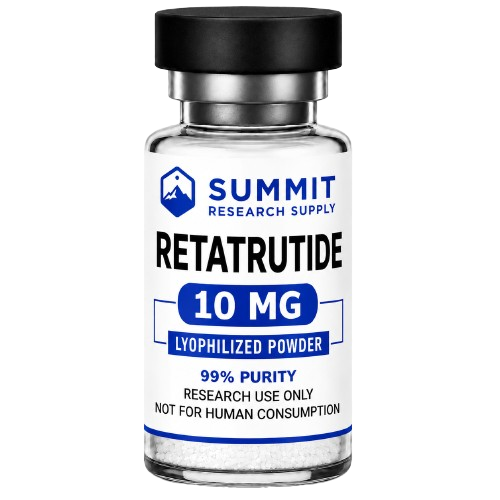
Research peptides ship as a lyophilized (freeze-dried) powder, because they are far more stable dry than in solution. Reconstitution simply means dissolving that powder in a liquid — almost always bacteriostatic water — so it can be measured into a syringe.
The amount of water you add sets the concentration, and the concentration determines how many units each measured amount works out to. That is the whole reason a reconstitution calculator exists: to turn "10 mg vial + 2 mL water" into an exact syringe draw.
What you need
A vial of lyophilized peptide, bacteriostatic water, a U-100 insulin syringe for the draw, a larger syringe or drawing needle to add the water, and alcohol prep pads. A clean, flat workspace helps.
Step by step
1. Sanitize. Wipe the rubber stopper of both the peptide vial and the bacteriostatic water vial with an alcohol pad and let them dry.
2. Draw your water. Pull the planned volume of bacteriostatic water into the larger syringe.
3. Add it slowly. Insert the needle at an angle and let the water run down the inside wall of the vial — never blast it directly onto the powder, which can damage the peptide and cause foaming.
4. Let it dissolve. Swirl gently or roll the vial between your fingers. Do not shake. Most peptides dissolve on their own within a minute or two into a clear solution.
5. Store it. Once mixed, keep the vial refrigerated and out of light.
6. Draw your amount. Use the reconstitution calculator to convert your target amount into units, then pull to that mark on a U-100 syringe.
Choosing your water volume
There is no single "correct" volume — it is a trade-off. More water gives a more dilute solution and a larger, easier-to-read draw. Less water gives a more concentrated solution and a smaller draw, which can be handy for large-milligram compounds that would otherwise overflow a syringe.
A common approach is to pick a volume that makes your typical amount land on a clean number of units. The calculator's reverse "find the water" mode does this for you — enter the draw you want and it returns the water volume.
Common mistakes to avoid
Shaking the vial (foaming and shear can degrade the peptide), spraying water directly onto the powder, using plain tap or distilled water instead of bacteriostatic water, and adding a volume that makes every draw an awkward fraction of a unit. All are avoidable with a slow, gentle technique and a quick calculation first.
Key takeaways
- Reconstitution = dissolving dry peptide in bacteriostatic water; the water volume sets the concentration.
- Add water slowly down the vial wall and swirl — never shake.
- Pick a water volume that makes your amount land on clean syringe units (use the reverse calculator).
- Refrigerate the mixed vial, keep it dark, and use it within its window.